Shopping for a Delray Beach condo or waterfront home and not sure if your mortgage will be considered jumbo? You are not alone. In Palm Beach County, many luxury homes and high-rise condos sit above standard loan limits, which can change how you qualify and close. In this guide, you will learn how jumbo loans are defined, how to check the current limit for our county, what lenders look for, and how to prepare a strong application. Let’s dive in.
Jumbo loan basics
What makes a loan jumbo
A jumbo loan is a mortgage that exceeds the conforming loan limit that the Federal Housing Finance Agency sets each year for loans eligible for purchase by Fannie Mae and Freddie Mac. Anything above that county limit is nonconforming, also called jumbo. Some high-cost counties receive a higher conforming limit category called high-balance, but loans above that higher ceiling are still jumbo.
How to check Palm Beach County’s limit
The FHFA publishes conforming loan limits annually. Because limits can change, the safest approach is to verify the current year’s Palm Beach County limit before you set your budget. You can:
- Look up the current conforming loan limits on the FHFA website by county and year.
- Ask your lender to confirm whether your target loan amount is conforming, high-balance, or jumbo.
- Remember that your down payment matters. If the loan amount after your down payment exceeds the county limit, you will need a jumbo loan.
What lenders look for
Credit score and DTI
Jumbo loans usually require stronger credit than conforming loans. Many lenders look for a FICO score in the high 600s to mid 700s for approval and best pricing. Your debt-to-income ratio typically needs to land in the 36 percent to 45 percent range, depending on your credit, assets, and down payment. Very strong files can sometimes stretch higher with compensating factors.
Down payment and LTV
For purchases, common loan-to-value caps are up to 80 percent, which means 20 percent down. Some portfolio programs allow higher LTVs, even 90 to 95 percent, for top-tier borrowers. Plan on a down payment between 10 and 25 percent or more, depending on the program, property type, and your profile.
Reserves and liquidity
Jumbo programs often require more cash reserves than conforming loans. A typical range is 6 to 12 months of total housing payments for a primary residence. Second homes and investment properties can require more. Reserves must be documented and seasoned. Retirement and brokerage accounts can count, subject to lender rules.
Income documentation
Salaried borrowers should expect to provide two years of W-2s and tax returns, recent pay stubs, and employment verification. Self-employed buyers usually provide two years of personal and business tax returns, plus a current profit and loss statement when requested. Alternative documentation options exist, such as bank-statement or asset-based programs, but they often come with higher rates and stricter reserve requirements.
Property and appraisal
Jumbo lenders require a full interior and exterior appraisal. For unique luxury or waterfront properties, a second appraisal or a specialty appraiser may be required. Condo projects receive extra scrutiny for their budget, reserves, insurance coverage, owner-occupancy ratios, and any litigation or special assessments. Some projects may not qualify with certain lenders, which can affect your timeline.
Rates and costs
How jumbo rates compare
Jumbo interest rates can be slightly higher than conforming in some markets, but they can also match or beat conforming pricing when portfolio lenders are active. Your rate depends on your credit score, LTV, property type, loan amount, and whether you are purchasing or doing a cash-out refinance. Paying points to buy down the rate can make sense on larger balances, but always weigh the cost against your expected time in the home.
Fees and closing costs
Expect somewhat higher lender fees and appraisal costs with jumbo loans, especially for high-value or complex properties. Lender overlays, second appraisals, condo reviews, and specialty inspections can add cost and time.
Local factors in Delray Beach
Why jumbo is common here
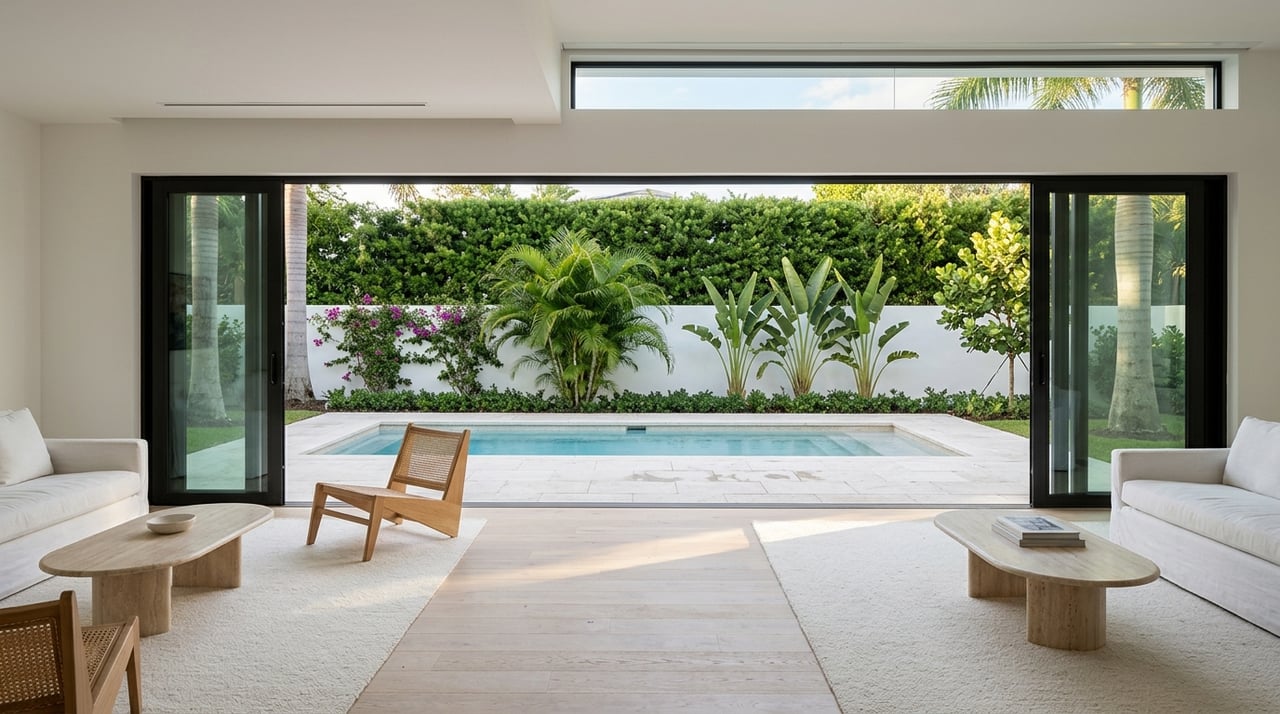
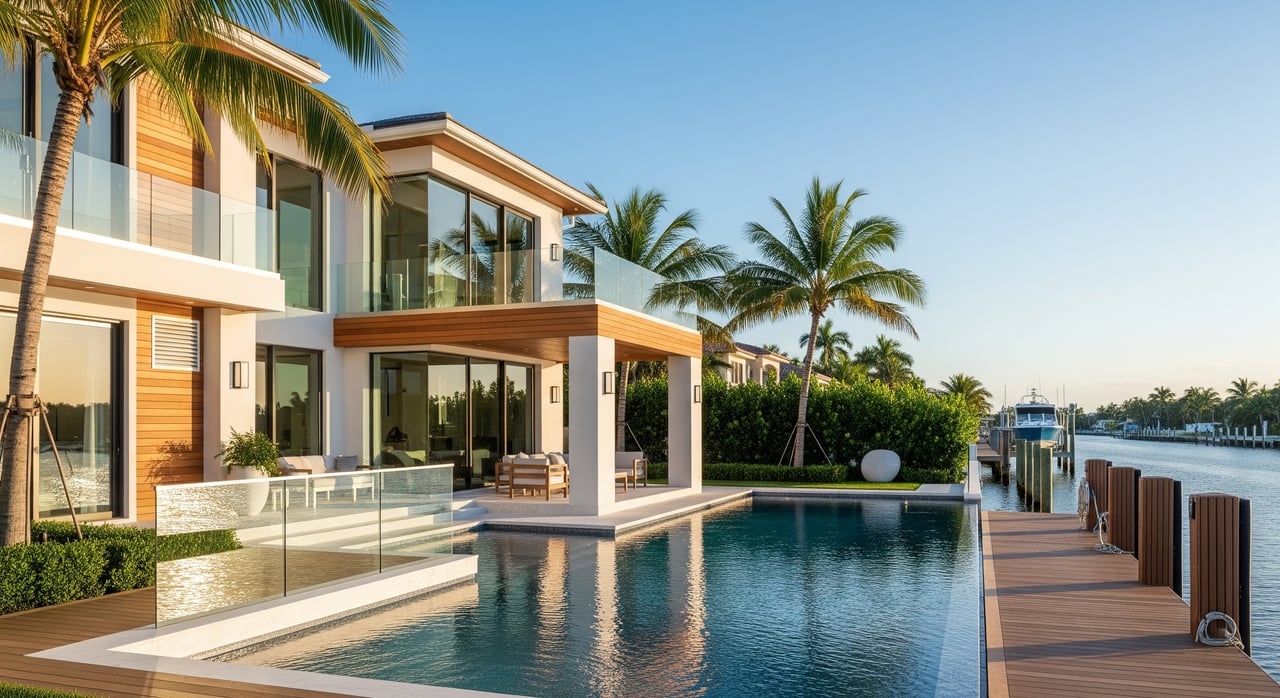
Delray Beach and the broader area covering West Palm Beach, Boca Raton, and Delray Beach include many luxury neighborhoods, oceanfront condos, and waterfront estates. In these price tiers, buyers often exceed conforming limits, which makes jumbo financing a frequent need.
Condo and HOA reviews
Coastal condo projects in Palm Beach County face thorough reviews. Lenders typically evaluate association reserves, budget health, insurance coverage, and investor concentration. If a building has pending litigation or special assessments, some lenders will require extra reserves, a larger down payment, or may decline the project. Getting condo documents early can keep your deal on track.
Flood, wind, and insurance
Many Delray Beach homes lie in FEMA flood zones, and lenders will require flood insurance where applicable. Windstorm coverage is also a key factor along the coast. Insurance availability and premiums can affect your debt-to-income ratio and overall monthly cost, so discuss insurance with your lender and agent early in the process.
Title and waterfront details
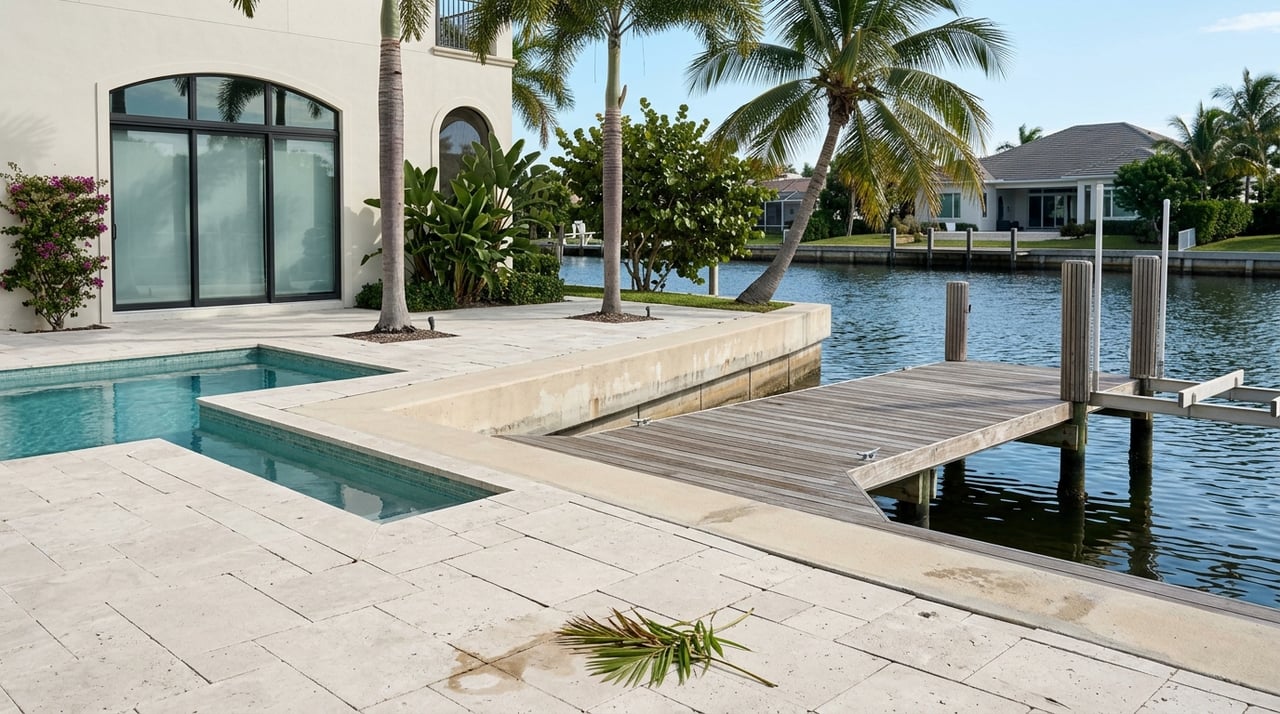
Waterfront and unique properties may involve additional title items, like easements, seawalls, bulkheads, and riparian rights. Clearing these details early helps avoid last-minute surprises in underwriting.
Lender landscape
South Florida buyers often work with a mix of local portfolio lenders, regional banks, national banks, and mortgage brokers. For very large loan amounts, private banking and wealth management divisions can offer competitive, customizable jumbo products.
Loan types and alternatives
- Conventional jumbo with full documentation and standard underwriting.
- Bank-statement or asset-based jumbo for self-employed or complex-income buyers, usually at higher rates and with larger reserve requirements.
- Portfolio loans kept on the lender’s books, which can be more flexible.
- Non-QM loans with alternative documentation and sometimes interest-only features.
- Bridge loans or short-term financing to help with timing if you are buying before selling an existing property, subject to lender policy and your financial profile.
How to get started
- Confirm whether your target loan amount is above the current FHFA conforming limit for Palm Beach County.
- Speak with a lender experienced in jumbo lending and in Florida condo and waterfront underwriting, then get a fully documented preapproval.
- Review your credit, address any errors, and avoid new debt before closing.
- Document your assets early, and be prepared to source large deposits.
- Price and secure insurance quotes for flood and wind coverage early, since premiums impact your loan approval.
- If you are buying a condo, collect association budgets, reserve studies, insurance certificates, and any assessment documentation as soon as you go under contract.
- Build extra time into your contract for appraisal and condo review.
Documentation checklist
- Government ID and Social Security number.
- Last two years of federal tax returns, signed.
- Last two years of W-2s and recent pay stubs, or two years of personal and business returns if self-employed, plus a current profit and loss if requested.
- Recent bank, brokerage, and retirement account statements for down payment and reserves. Include gift letters if applicable.
- Mortgage statements for current properties and any required payoff letters.
- Explanations and documentation for large or nonrecurring deposits.
- Signed tax transcript authorization if required by the lender.
- Property documents: full appraisal, condo or HOA budgets and insurance, and a survey if required.
Common pitfalls to avoid
- Unseasoned or unexplained large deposits that cannot be sourced.
- Taking on new debt or opening credit accounts during underwriting.
- Underestimating insurance costs in flood or coastal wind zones.
- Condo projects with budget, reserve, or litigation issues that surface late.
- Thin reserves or pushing LTV and DTI to maximum limits without compensating factors.
Buying above conforming limits in Delray Beach does not have to be complicated. With clear expectations, an early preapproval, and the right team, you can navigate jumbo financing smoothly and secure the home you want. For tailored guidance, introductions to vetted jumbo lenders, and a local plan aligned to your goals, connect with Aimee ONeill.
FAQs
How do I know if I need a jumbo loan in Palm Beach County?
- Compare your estimated loan amount after down payment to the current FHFA conforming limit for Palm Beach County; if it is above the limit, you will need a jumbo loan.
What down payment is typical for a jumbo purchase in Delray Beach?
- Many buyers put 20 percent down, but options can range from about 10 to 25 percent or more depending on your profile and the specific jumbo program.
Are jumbo mortgage rates always higher than conforming rates?
- Not always; depending on market conditions and your credit, LTV, and lender type, jumbo rates can be slightly higher, similar, or occasionally better than conforming rates.
How long does jumbo underwriting usually take in this area?
- It often takes several weeks because of manual underwriting, full appraisal reviews, and condo project reviews, especially for high-value or unique properties.
What should condo buyers in Delray Beach expect from lenders?
- Expect a detailed review of the association’s budget, reserves, insurance, owner-occupancy ratios, and any litigation or assessments, which can affect approval and timelines.
Do flood zones and wind insurance affect jumbo approvals?
- Yes; lenders factor flood and wind insurance costs into your debt-to-income ratio and overall payment, and proof of adequate coverage is usually required in applicable zones.