Thinking about a boat in your backyard and morning coffee by the canal? If you are eyeing Lighthouse Point with a $2 million budget, you are in good company. Choosing the right home here comes down to water access, lot layout, and the true costs of waterfront living. In this guide, you will learn what $2M commonly buys, how to evaluate dockage and seawalls, the trade-offs to expect, and the key checks to complete before you write an offer. Let’s dive in.
Three buyer snapshots at $2M
1) The boater who wants a turnkey dock
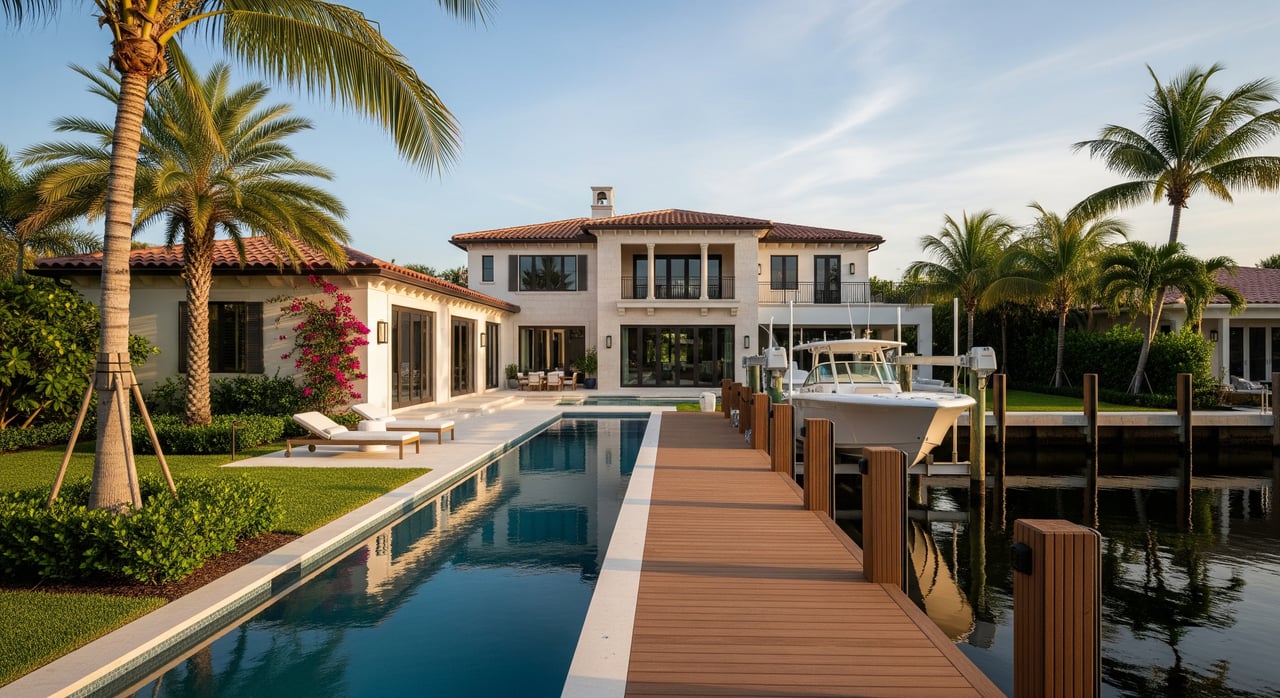
- Likely fit: A canal-front single-family home with a seawall and space for a private dock, often supporting a 25–40 ft boat depending on canal depth and lot width.
- Trade-off: You may accept a smaller interior footprint for better water access and a solid seawall.
- What to confirm: Water depth at low tide, bridge clearances to the Intracoastal, dock and lift permits, and seawall condition.
2) The luxury buyer focused on interior living
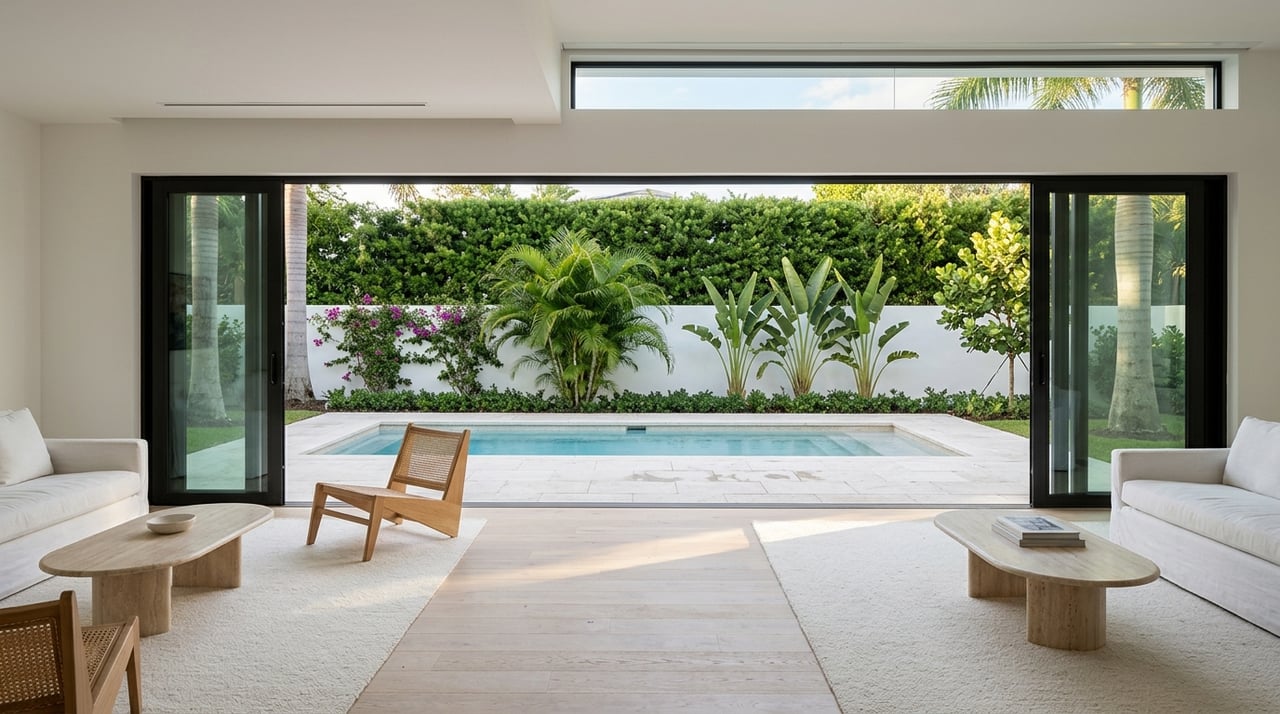
- Likely fit: An inland or non-waterfront home with newer construction or full renovation, larger square footage, and high-end finishes.
- Trade-off: No private dock, but more interior space and often a bigger yard compared to waterfront options at the same price.
- What to confirm: Insurance needs, roof age, hurricane mitigation features, and proximity to marinas if boating is still part of your lifestyle.
3) The renovator or rebuild planner
- Likely fit: An older home on a larger lot that needs work, with potential to expand or rebuild.
- Trade-off: Time and project management in exchange for long-term value and a custom layout.
- What to confirm: Lot width and depth, seawall age, elevation and flood zone, and any permitting constraints for docks or major renovations.
What $2M typically buys
At this price point, the most common options in Lighthouse Point include:
- Canal-front homes with dock potential. Expect many to be mid-century or 1980s-era homes, often remodeled. Typical living area ranges from about 2,000 to 3,500 square feet, with 3–5 bedrooms and 2–4 baths. Lot sizes often span roughly 6,000 to 15,000 square feet. Dock capacity frequently supports boats in the 25–40 ft range, subject to canal depth and lot width.
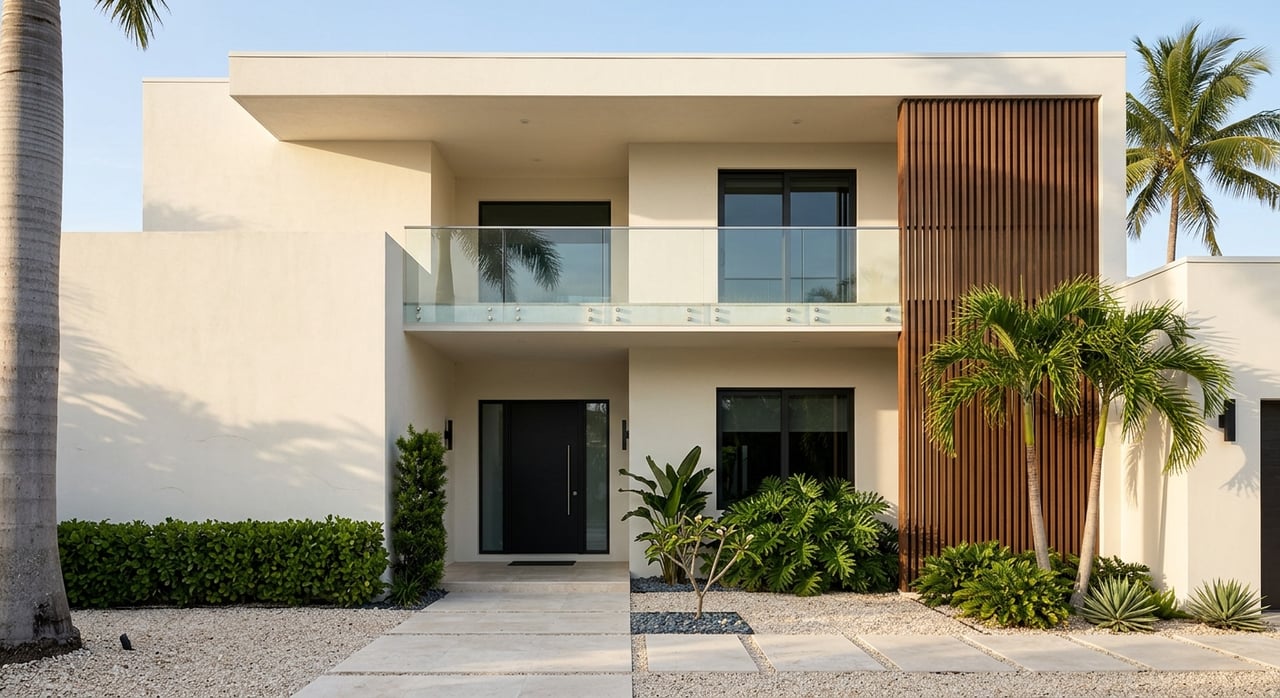
- Larger inland or non-waterfront homes. You may get more square footage, newer construction, and a bigger yard without the waterfront premium.
- Older homes on larger lots. These can sit within the $2M band if they need renovation, which may appeal if you want to rebuild.
- Direct Intracoastal or deep-water parcels. These are rarer and typically command a premium above $2M unless the home is smaller or requires significant work.
For current pricing and availability, use your agent’s access to the local MLS and Broward County market reports, since inventory and mortgage rates can shift what $2M will buy.
Waterfront details that drive value
Lot and seawall
- Lot width and seawall length. Wider lots, often 60 to 100 feet or more, make docking and maneuvering easier and can support larger vessels. Narrower lots limit dock length and boat options.
- Lot depth and total square footage. These affect pool placement, outdoor living, and your potential rebuild footprint.
- Orientation and canal geometry. South-facing docks can get more sun, and tight canal turns limit maneuvering.
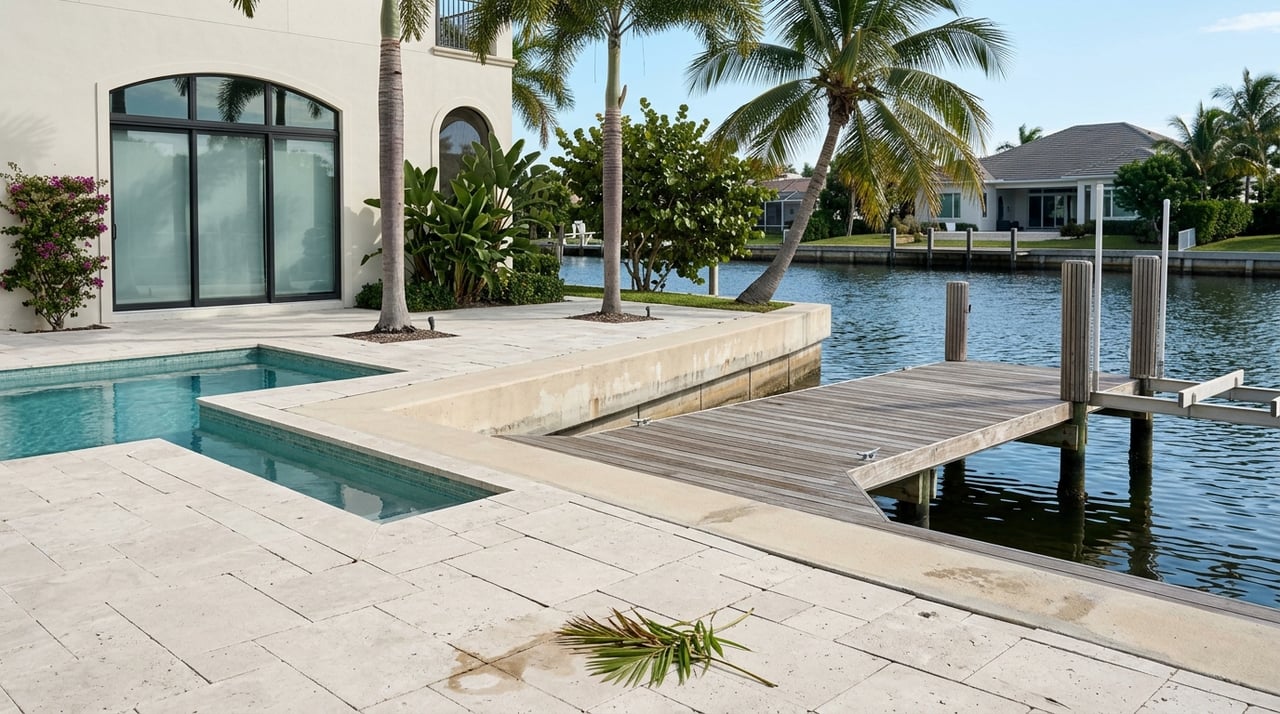
- Seawall condition. Seawall age and material matter. Replacement can be a major expense, so get a professional assessment.
Dock and navigation
- Depth at low tide. Shallow canals reduce boat size options and may require frequent checks for shoaling.
- Bridge clearances. Fixed bridges on the route to the Intracoastal limit vertical clearance, which can restrict certain boats.
- Turning basins. Tight canals reduce usable dock length and access.
- Dock utilities and permits. Verify power, water, lift capacity, and that dock, lift, and seawall work were properly permitted.
Access tiers
- Direct Intracoastal frontage with quick ocean access carries the highest premium.
- Short canals to the Intracoastal with no restrictive fixed bridges are common and desirable around this budget.
- Canals with fixed-bridge limits or shallower depths usually lower pricing but restrict boat type.
- Non-waterfront options deliver more interior space per dollar but no private dock.
Costs and risks to budget for
- Insurance. Expect both windstorm and flood insurance considerations. Premiums depend on elevation, flood zone, mitigation features, and claims history.
- Seawall and dock upkeep. Seawalls have finite lifespans. Replacement can run tens of thousands of dollars or more depending on length and method.
- Property taxes and assessments. Review the Broward County Property Appraiser for assessed value, millage rates, and any special assessments.
- HOA or POA fees. Some communities have rules, fees, or dock restrictions to know before you buy.
Due diligence must-haves
- Order a current survey showing lot lines, seawall length, and improvements.
- Hire a marine contractor to inspect the seawall and dock, with a written estimate for repairs or replacement.
- Verify water depth and bridge clearance at mean low tide, and ask about shoaling or dredging history.
- Confirm dock, lift, and seawall permits and check for any violations.
- Obtain a FEMA elevation certificate if available and get flood insurance estimates early.
- Review repair and insurance claim history and study recent closed sales in the immediate area.
- Have title check easements and any encroachments.
- Verify short-term rental rules and any deed restrictions or HOA covenants.
Where to focus in Lighthouse Point
- If you own or plan to buy a 30–40 ft boat and want frequent trips, prioritize wider lots with direct canal routes to the Intracoastal that avoid restrictive fixed bridges.
- If you want lower maintenance and potentially lower insurance costs, consider inland or newer construction within Lighthouse Point, while keeping convenient access to marinas.
- If day-to-day convenience matters more than slip size, weigh proximity to community amenities, shopping, and main corridors for work and school routines.
Touring checklist for waterfront homes
- Confirm the seawall’s age, material, and visible condition. Ask for any recent reports.
- Request dock and lift permits, lift capacity, and maintenance records.
- Check water depth at low tide and look for signs of shoaling near the property.
- Ask about turning radius in the canal and any fixed bridge heights on your route.
- Review roof age, HVAC age, and hurricane mitigation features such as impact windows and roof straps.
- Request an elevation certificate or have your surveyor provide elevations for insurance underwriting.
Make a confident move
At $2M, Lighthouse Point can deliver a canal-front lifestyle with practical dockage or an inland home with more space and modern finishes. The best fit depends on your boat, your timeline, and your appetite for projects. If you want a calm, well-managed process that covers both lifestyle and due diligence, connect with a trusted local advisor who understands waterfront details.
If you are ready to calibrate options, review live comps, and line up the right inspections, reach out to Aimee ONeill for a private strategy session.
FAQs
What types of homes does $2M typically buy in Lighthouse Point?
- Often a canal-front single-family home with dock potential, or a larger inland newer-construction or fully renovated home without the waterfront premium.
How big of a boat can I usually dock around this price?
- Many canal-front lots in this range can support boats roughly 25–40 ft, subject to canal depth, lot width, and maneuvering room.
How do fixed bridges affect my boating from Lighthouse Point?
- Fixed bridges set a vertical clearance limit that can restrict certain boats; always confirm bridge types and heights on your route to the Intracoastal and ocean.
What are the biggest ongoing costs for waterfront ownership here?
- Insurance for wind and flood, plus seawall and dock maintenance or replacement, property taxes, and any HOA or POA fees if applicable.
What inspections and documents should I secure before making an offer?
- A current survey, a seawall and dock inspection by a marine contractor, verification of permits, a FEMA elevation certificate if available, insurance quotes, and a review of title, easements, and recent closed comps.