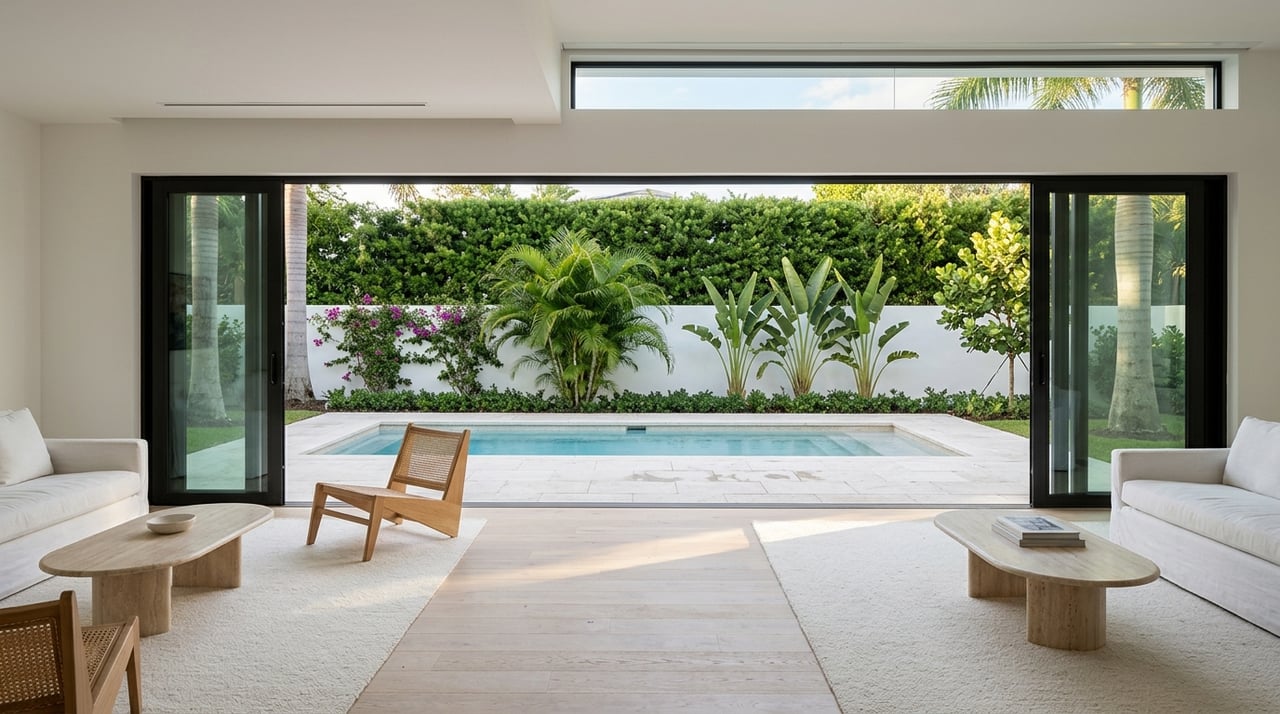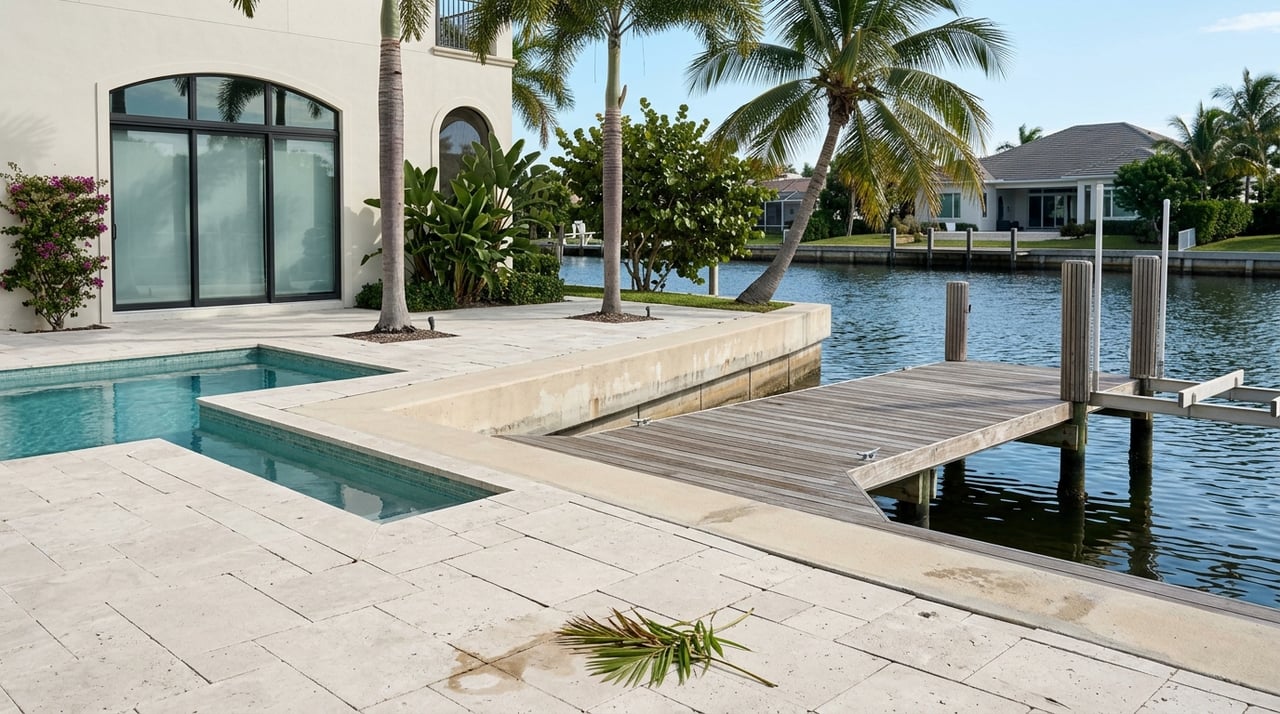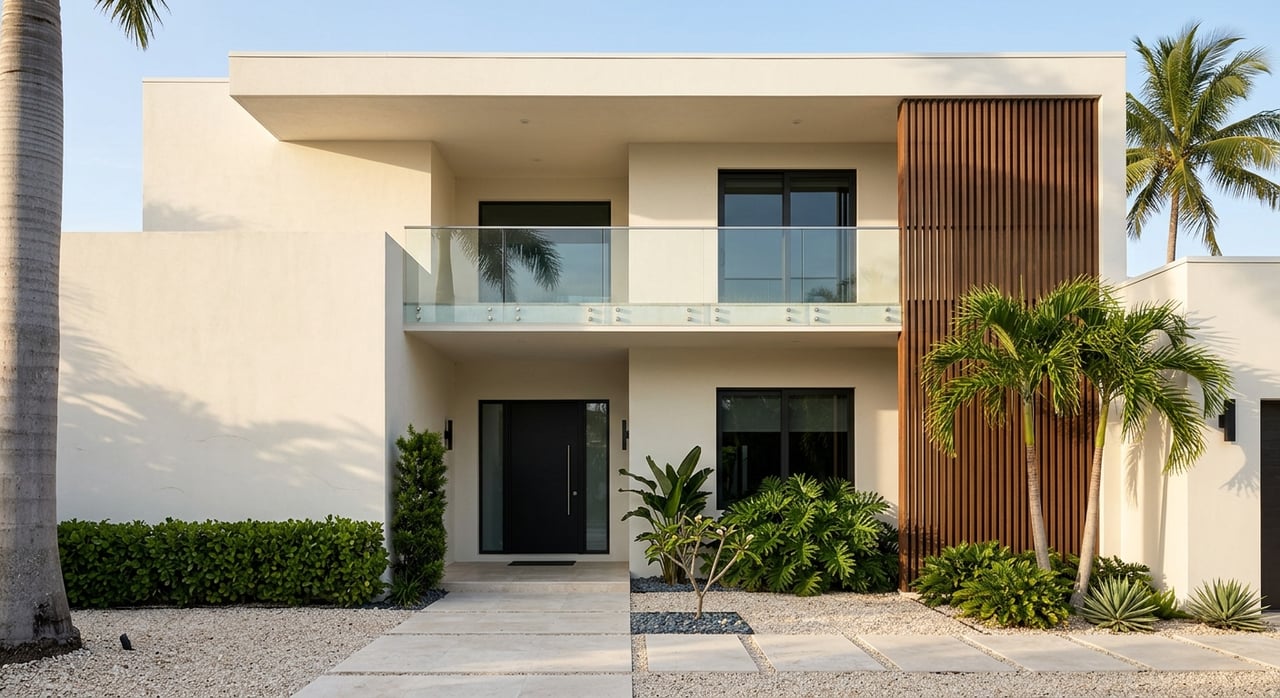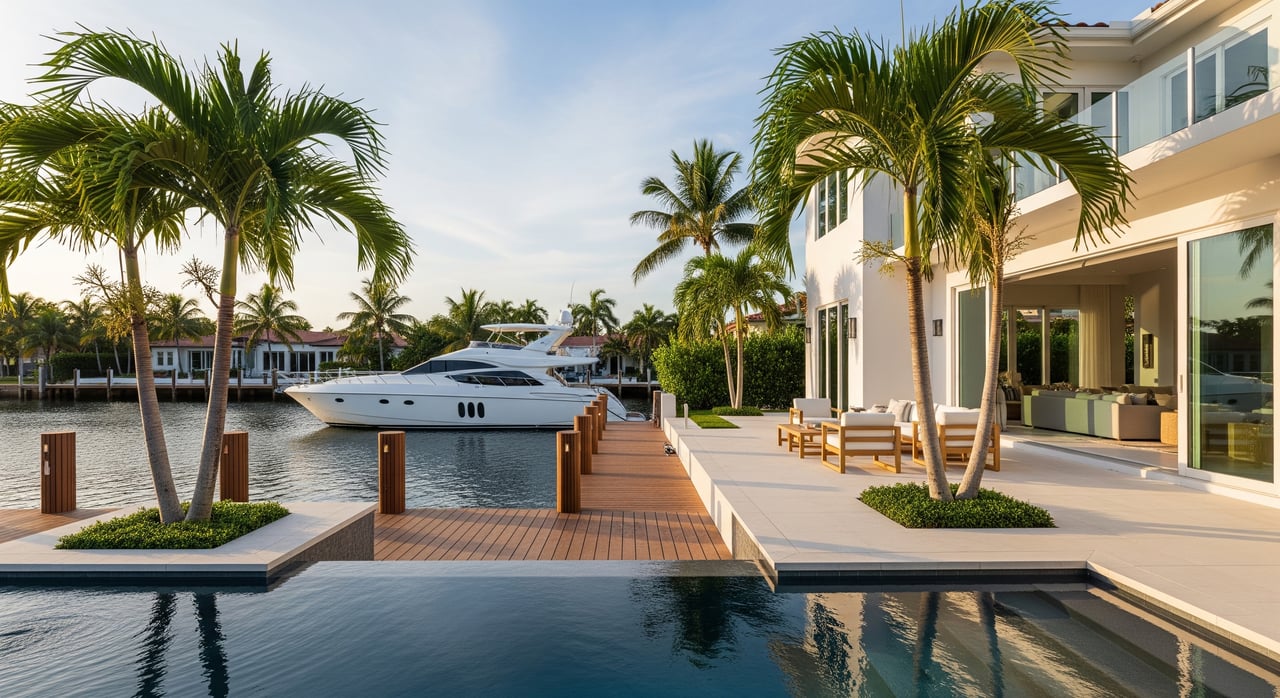
Sunrise coffee on the dock. Pelicans skimming the water. A quick check of the tides before you decide whether today is for paddleboarding, fishing, or a leisurely cruise along the Intracoastal. If you’re picturing your life in Lighthouse Point, you’re not alone. Waterfront living here blends everyday calm with easy access to bigger adventures. In this guide, you’ll see what your routines could look like, what to know about docks and canals, and the practical steps that keep a waterfront home running smoothly. Let’s dive in.
What waterfront life feels like
Mornings on the dock
Your day often starts outdoors. You sip coffee while the light changes over the canal, watch egrets and herons hunt along the seawall, and sometimes spot dolphins or manatees moving through. If the wind is light, you might launch a kayak or paddleboard for a short glide before work. On fishing days, you rig a line right from the dock or prep the boat for a morning run.
Midday on the water
Boating is a way of life in Lighthouse Point. Many homes sit along canals that connect to the Intracoastal Waterway, which opens to the Atlantic through nearby inlets. Depending on your dock location, canal depth, and bridge clearances, you plan routes to match the day’s tides and your boat’s draft. Common sights include center consoles, sportfishing boats, and smaller tenders suited to shallow canals.
Evenings and weekends
Weekends often follow a comfortable rhythm. Mornings on the water. Lunch by a marina or a quick return home to grill on the patio. Late afternoons bring golden light across the canals, perfect for a dockside gathering with friends. When you want more variety, you’re a short drive from larger dining, shopping, and cultural options in nearby coastal cities.
Boats, canals, and ocean access
Canal depths and bridges
Not every canal works for every boat. You’ll want to understand three key factors:
- Canal depth and bottom conditions, which affect your usable tide windows.
- Fixed or opening bridges on your route to the Intracoastal, which determine height clearance.
- Distance to the nearest inlet, which influences how you plan offshore or beach days.
These details shape your everyday routine. If your boat has more draft or height, you’ll plan departures around tides and bridge schedules. Smaller boats often enjoy more flexible access.
Choosing the right dock features
A well-designed waterfront setup saves time and protects your investment. Common features include private docks, boat lifts, seawalls, and sometimes covered slips. During due diligence, many buyers arrange marine and seawall inspections to assess condition, materials, and expected lifespan. If you plan to upgrade, remember that dock, lift, and seawall work usually require city or county permits. If your home is in an HOA, review community rules for dock design and boat size.
Everyday recreation beyond boating
Waterfront living offers something for every day of the week. You can paddleboard or kayak in calm canals, fish from your dock, or snorkel in shallow spots when conditions allow. Wildlife watching is a built-in pastime, and you can mix quiet home routines with easy access to beaches and parks in neighboring communities. When you want a change of pace, larger urban centers nearby add galleries, events, and nightlife to your options.
Dining and social life nearby
Life on the water tends to be relaxed and social. Many gatherings center on boating, from impromptu dockside potlucks to community boating and fishing groups. Local marinas and waterfront spots cater to a seafood-forward, casual lifestyle. For expanded dining and entertainment, you can head to the nearby coastal cities just minutes away.
Practical realities to plan for
Permits and rules
Waterfront improvements usually need permits. Docks, lifts, and seawalls often require city and county approvals, and work below the mean high-water line can involve state or federal agencies. You’ll also navigate posted speed limits, no-wake zones, and manatee protection areas on local waterways. Before you buy or build, consult local ordinances and permitting authorities to avoid surprises.
Insurance, costs, and maintenance
Coastal living comes with recurring costs. Many homeowners carry a package that can include homeowners insurance with wind coverage, and flood insurance may be required by lenders. Boats typically carry their own insurance as well. Routine expenses can include:
- Dock and boat lift maintenance
- Seawall repair and upkeep
- Boat fuel, service, and storage if using a marina
- Periodic cleaning to manage marine growth and protect materials
Budgeting for these items helps you keep your property and boat in top shape.
Hurricanes and storm planning
Hurricane season runs from June 1 to November 30. If you own a boat, you should have a plan to secure it at the dock, move it to a protected marina, or arrange a haul-out before a storm. On land, you may use shutters, impact-rated openings, and flood readiness steps as part of your home prep. A solid plan reduces risk and stress during storm alerts.
Wildlife and water quality
You’ll share the water with protected wildlife. Seasonal manatee zones and posted regulations help keep waterways safe for people and animals. Water clarity can change through the year, and algae events occasionally impact South Florida’s coastal areas. Long-term planning increasingly considers sea-level rise and tidal flooding, especially for lower-lying lots.
How to choose the right waterfront home
Every property is unique. The goal is to match the home’s water access to how you actually want to live.
Questions to ask on a tour
- What is the canal depth at low and high tide, and how does it affect my boat’s draft?
- Are there fixed bridges on my route and what are their clearances?
- How direct is access to the Intracoastal and nearest inlet under normal conditions?
- What is the condition of the dock, lift, and seawall, and how old are they?
- Are there HOA rules that limit boat size, dock style, or exterior changes?
- Where will I store gear, trailer, and maintenance supplies?
Due diligence checklist
- Arrange marine and seawall inspections for condition and code compliance.
- Review city and county permitting history for docks, lifts, and seawall work.
- Confirm insurance requirements for wind and flood with your lender and insurer.
- Understand posted speed/no-wake zones on your typical route.
- Plan hurricane procedures for the home and boat, including haul-out options.
- Estimate annual costs for maintenance, fuel, and insurance.
Living connected: parks, marinas, and access
Lighthouse Point is a residential enclave with canals that support a boating lifestyle at your doorstep. Nearby municipalities offer public beach access, boat ramps, and parks along the Intracoastal where you can launch small craft or enjoy the shoreline. You’ll also find marinas and boatyards in the area for fuel, service, and storage. Everyday errands are close by, and major services, cultural venues, and the airport are typically within a manageable drive, depending on traffic and your exact starting point.
The Lighthouse Point rhythm
When you live here, your days revolve around the water. You decide whether to paddle before breakfast or schedule a mid-morning cruise. You return in time for lunch, rinse the deck, and relax as the afternoon breeze moves through the palms. The beauty of Lighthouse Point is how easily you can shift from quiet canal life to vibrant coastal amenities just a short trip away.
If you’re ready to explore homes that fit your boating style, connect with Aimee ONeill for a tailored plan. With local expertise, high-touch service, and modern marketing tools, our team helps you find a property that suits your boat, your routine, and the way you want to live.
FAQs
Does a private dock in Lighthouse Point guarantee direct ocean access?
- Not always; access depends on canal depth, bridge clearances, and distance to the nearest inlet, so confirm these details for your specific property and boat.
How long does it take to reach reefs, beaches, or fishing grounds by boat?
- It varies with your dock location, boat type, conditions, and route; plan timing around tides, bridges, and typical traffic on the Intracoastal.
What size boat can local canals support in Lighthouse Point?
- Canal depth and bridge clearance dictate size; shallower canals and fixed bridges limit draft and height, while deeper canals and open routes allow larger vessels.
What ongoing costs should I expect for a waterfront home and boat?
- Common expenses include wind and flood insurance, dock and seawall maintenance, boat lift upkeep, fuel and service, and any marina storage or slip fees.
What permits are needed for dock, lift, or seawall work?
- Waterfront projects often require city and county approvals, and work below mean high water may involve state or federal agencies; verify requirements before starting.
How do residents prepare boats and homes for hurricanes?
- Owners secure or haul out vessels, use shutters or impact protection for the home, and follow a written plan for supplies, staging, and post-storm inspections.
What wildlife should I expect near my dock, and how do I protect it?
- You may see manatees, birds, and seasonal marine life; comply with posted speed zones, avoid disturbing wildlife, and follow best practices for safe boating.
Are there noise or traffic tradeoffs living on the water?
- Weekends and holidays can bring increased boat traffic; choosing a canal with the right mix of access and activity helps balance convenience with quiet.