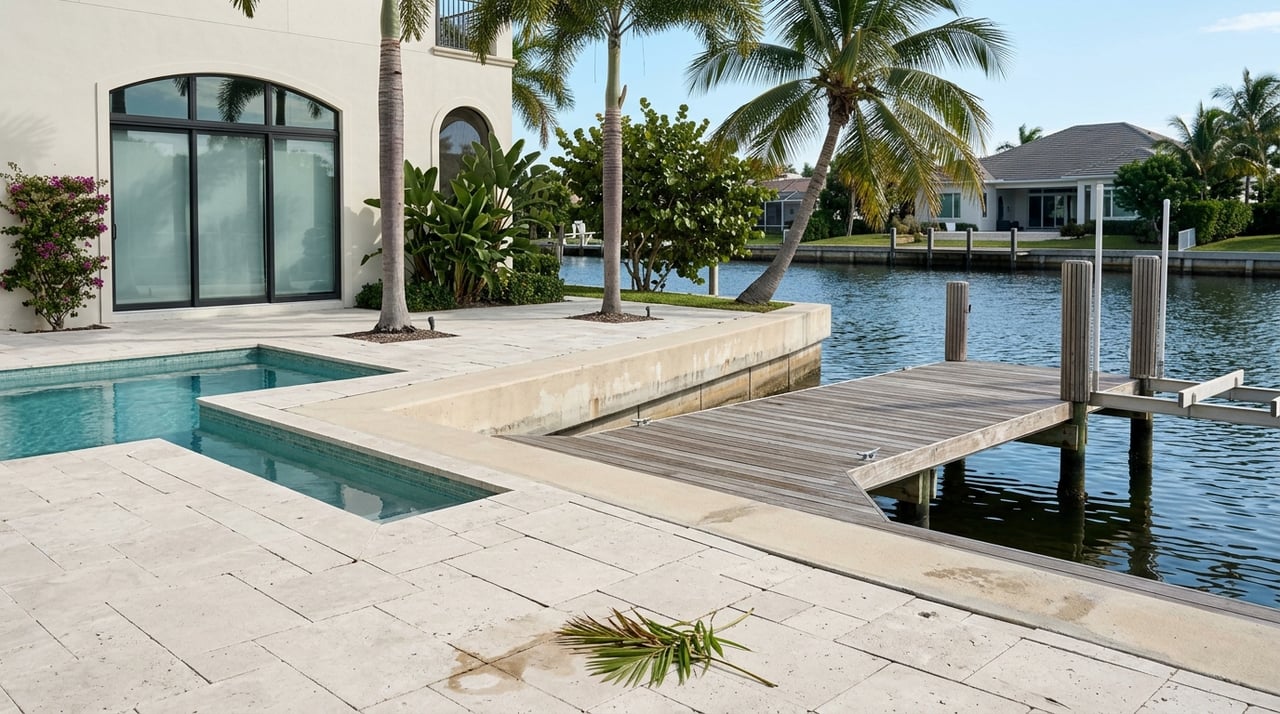
If you love the idea of stepping out to the sand or watching boats from your balcony, you’re probably exploring Deerfield Beach condos and townhomes near the water. Then you see monthly HOA or condo fees that range widely and sometimes feel confusing. You’re not alone. In this guide, you’ll learn what those fees actually cover, why waterfront and near‑beach buildings often cost more, and how to compare communities with confidence. Let’s dive in.
What HOA and condo fees cover
Your monthly association dues pay for the building or community’s shared expenses. Exact inclusions vary by building and are detailed in the governing documents and annual budget. Common line items include:
- Building and master insurance. Associations carry a master property policy that typically covers common areas and structural components as defined by the policy and statute. Owners usually insure interiors and personal property with an HO‑6 policy. See the Florida Condominium Act for insurance rules and disclosures in Chapter 718.
- Utilities and services. Many Deerfield Beach condos include water, sewer, trash, and common‑area electricity in monthly dues. Communities with pools, fitness rooms, landscaped grounds, or marinas have service contracts that add to operating costs. Listings sometimes note inclusions such as water, sewer, and cable, as seen in representative Deerfield Beach listings on ZFC.
- Management and maintenance. This covers on‑site or third‑party management, landscaping, common‑area cleaning, elevator service, pest control, and routine repairs.
- Reserve funding. A portion of your dues goes to reserves for future capital projects like roofs, concrete restoration, and elevators. Florida law strengthened reserve and disclosure requirements after 2021. For qualifying buildings, structural integrity reserve studies (SIRS) guide funding targets. Learn more in Chapter 718.
- Staffing and security. Buildings with concierge services, on‑site engineers, or security personnel budget for payroll, which can increase monthly fees.
Flood insurance and waterfront buildings
Flood coverage is not automatically included in a standard property policy. Condominiums in Special Flood Hazard Areas often need a master flood policy, such as FEMA’s Residential Condominium Building Association Policy (RCBAP). Lenders may require association flood coverage for units in flood zones. FEMA explains RCBAP basics here.
Why waterfront fees vary in Deerfield Beach
Several factors drive differences in monthly dues across waterfront and near‑beach properties:
- Building age and condition. Older coastal buildings may need more frequent concrete repairs, balcony work, waterproofing, and façade projects. Reserve studies and inspections often identify needed work and timelines, which can affect dues and special assessments. Requirements are outlined in Chapter 718.
- State and local inspections. Florida mandates “milestone” structural inspections for qualifying buildings that are 3 or more stories. The first milestone is due at 30 years of age, or 25 years if the building is within 3 miles of the coastline, then every 10 years. Associations must arrange inspections and share summary reports with owners. See the statute at F.S. 553.899. Broward County also runs a recertification program that sits alongside the statewide law. You can review local program context from the Board of Rules and Appeals here.
- Insurance market pressure. In recent years, many associations have faced higher property and flood premiums. Those costs are reflected in monthly dues or one‑time assessments.
- Coastal exposure. Salt air accelerates corrosion and concrete deterioration, and proximity to the ocean or flood zones can raise maintenance and insurance costs.
- Amenities and staffing. Communities with pools, gyms, dockage, garage parking, security, or on‑site staff cost more to operate.
- Association size and risk profile. Smaller associations spread fixed costs over fewer owners. Delinquencies or unusual litigation can also affect budgets and borrowing options.
What fees look like locally
Deerfield Beach listings show a wide range of monthly dues. Representative listings show association fees from about the mid‑$200s to $650 and above, depending on the building, services included, and amenities. One example highlights typical inclusions and variability; always verify final figures with the association’s official budget rather than listing snapshots. See a representative Deerfield Beach listing example on Homes.com.
Keep in mind that waterfront, newer construction, or full‑service buildings often carry higher dues due to insurance, reserves, staffing, and maintenance intensity.
Timeline checkpoints: milestone and recertification
If you’re comparing buildings near the shoreline, understand both state and county timelines:
- Florida milestone inspections: first at 30 years from the building’s certificate of occupancy, or 25 years if within 3 miles of the coastline, then every 10 years. Review F.S. 553.899.
- Broward County recertification: local oversight continues to audit building recertifications, which works in tandem with the statewide rules. See the Broward Board of Rules and Appeals program context here.
Ask for the building’s certificate of occupancy date to understand what has been done and what is next on the calendar.
How to compare buildings: your due diligence checklist
You can evaluate the true cost and risk profile of a condo by reviewing key documents and asking pointed questions.
Documents to request
- Most recent annual budget, plus the last 2 to 3 years of budgets. This shows how operating vs capital needs have changed over time. Practical buyer checklists are available from sources like HomeLight.
- Recent financial statements and current reserve balances. Compare the reserve balance to targets in the latest reserve study.
- Reserve study and, if applicable, the Structural Integrity Reserve Study (SIRS). Also request any milestone inspection reports and summaries. Florida requires milestone inspections for qualifying buildings and delivery of the inspector’s summary to owners. Reference F.S. 553.899.
- Insurance certificates and declarations pages. Review covered perils, policy limits, and deductibles, and confirm whether the association maintains flood coverage if the building is in a flood zone. Insurance and disclosure rules appear in Section 718.111.
- Board meeting minutes for the past 12 to 24 months. Look for discussions of repairs, assessments, loans, or management changes. See HomeLight’s guidance.
- Special assessment history and any association loans. Note amounts, purposes, and repayment schedules.
- Any pending litigation, code violations, or enforcement actions. Also check the association’s legal expense line in the budget.
- Management agreement and major vendor contracts. These illuminate service levels and pricing for elevators, landscaping, pools, and security.
- Owner‑delinquency rates and rental or occupancy restrictions. High delinquencies can limit financing options and pressure budgets.
Questions to ask the board or manager
- Have milestone inspections or SIRS been completed? If yes, request the summary and the planned repair timeline. See F.S. 553.899.
- What is the current reserve balance and the recommended target from the latest study? Florida limits waiving reserves for certain structural items. See Chapter 718.
- What is the total annual insurance premium, and what are the master property and flood deductibles? Any recent nonrenewals or coverage changes? Review Section 718.111.
- Have there been special assessments in the past five years, and are any planned?
Red flags to watch
- Thin reserves or no recent reserve study.
- Large assessments announced or recently imposed, especially with short payment windows.
- Rapidly rising insurance costs, policy nonrenewals, or very large master deductibles.
- Significant milestone or SIRS findings without a clear funding plan.
- High delinquency rates or frequent budget amendments.
Budgeting for HOA and condo fees
A quick way to compare buildings is to look at the full monthly picture:
- Estimate PITI (principal, interest, property taxes, and your HO‑6 policy).
- Add the condo or HOA fee.
- Add utilities not covered by the association and a small buffer for assessments.
For example: if your PITI is $2,200 and the monthly HOA is $600, plan for about $2,800 per month, plus any utilities not included. If reserves appear thin or major repairs are on the horizon, consider adding a $100 to $300 monthly buffer to account for possible special assessments.
Waterfront specifics: insurance and flood
Waterfront and near‑beach buildings sit closer to the elements. That can influence both maintenance budgets and insurance requirements:
- Flood coverage. If the building sits in a Special Flood Hazard Area, the association may carry an RCBAP to insure the structure. Lenders often require this. Learn more about RCBAP on FEMA’s site here.
- Master policy deductibles. Ask how the association allocates deductibles after a covered loss, and whether owners may be responsible for a portion.
- Owner coverage. Your HO‑6 typically covers interior finishes and personal belongings. Clarify where the master policy ends and your policy begins under Chapter 718.
Make your offer smarter
When you line up two great Deerfield Beach condos with very different dues, the best choice becomes clear once you review budgets, reserves, insurance, and inspection timelines. A building with slightly higher dues but strong reserves and completed milestone work can be the safer long‑term pick than one with lower dues and deferred projects.
If you want a confident, waterfront‑savvy plan for Deerfield Beach, Lighthouse Point, Boca Raton, or nearby coastal communities, our team is here to help you evaluate fees, reserves, and risk before you write an offer. Connect with Aimee ONeill to request a Strategy Session or get your home valuation.
FAQs
What do HOA or condo fees usually include in Deerfield Beach waterfront buildings?
- Dues often cover master building insurance, water and sewer, trash, common‑area electricity, management, landscaping, routine maintenance, and reserves. Amenities and staffing can add to costs, and specifics are listed in each association’s budget and documents.
How do Florida milestone inspections affect condo fees in Broward County?
- Qualifying buildings must complete inspections at 30 years, or 25 years if within 3 miles of the coastline, then every 10 years. Findings can prompt repairs and higher reserve funding, which may increase dues or lead to special assessments. See F.S. 553.899.
Do I need separate flood insurance if the association has a master flood policy?
- The association’s RCBAP may cover the building structure, but owners typically maintain an HO‑6 for interior finishes and personal property. Review your building’s coverage and talk to your insurance advisor. FEMA explains RCBAP coverage here.
What is a normal HOA or condo fee range for Deerfield Beach near the beach?
- Representative listings show dues ranging from roughly the mid‑$200s to $650 and above, depending on amenities, services included, building size, and condition. Always verify final numbers with the association budget and financials.
How can I tell if a condo association’s reserves are healthy?
- Compare current reserve balances to targets in the latest reserve study or SIRS. Review recent budgets, special assessment history, and any milestone inspection findings. Strong reserves and a clear repair plan are good signs.